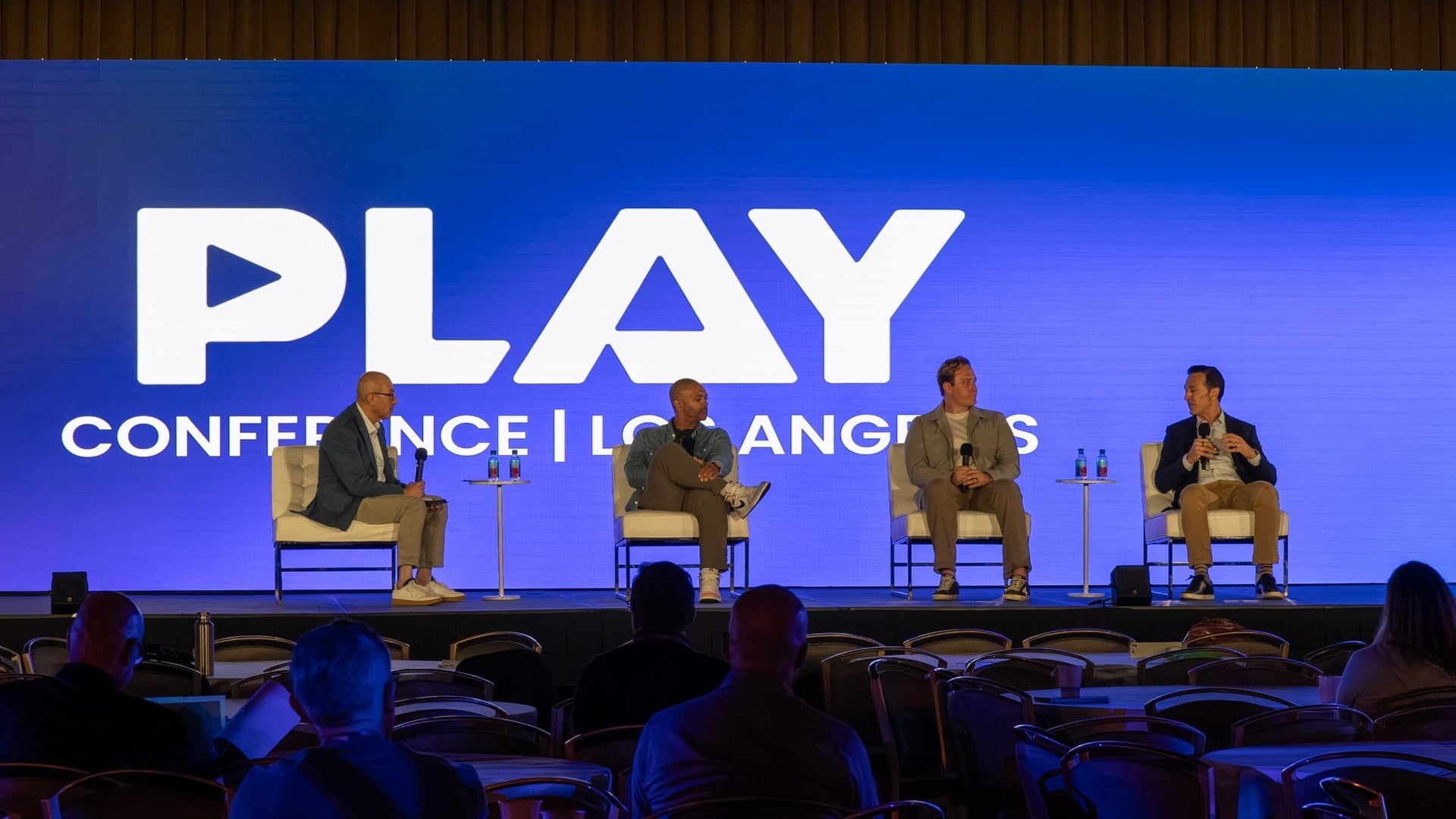
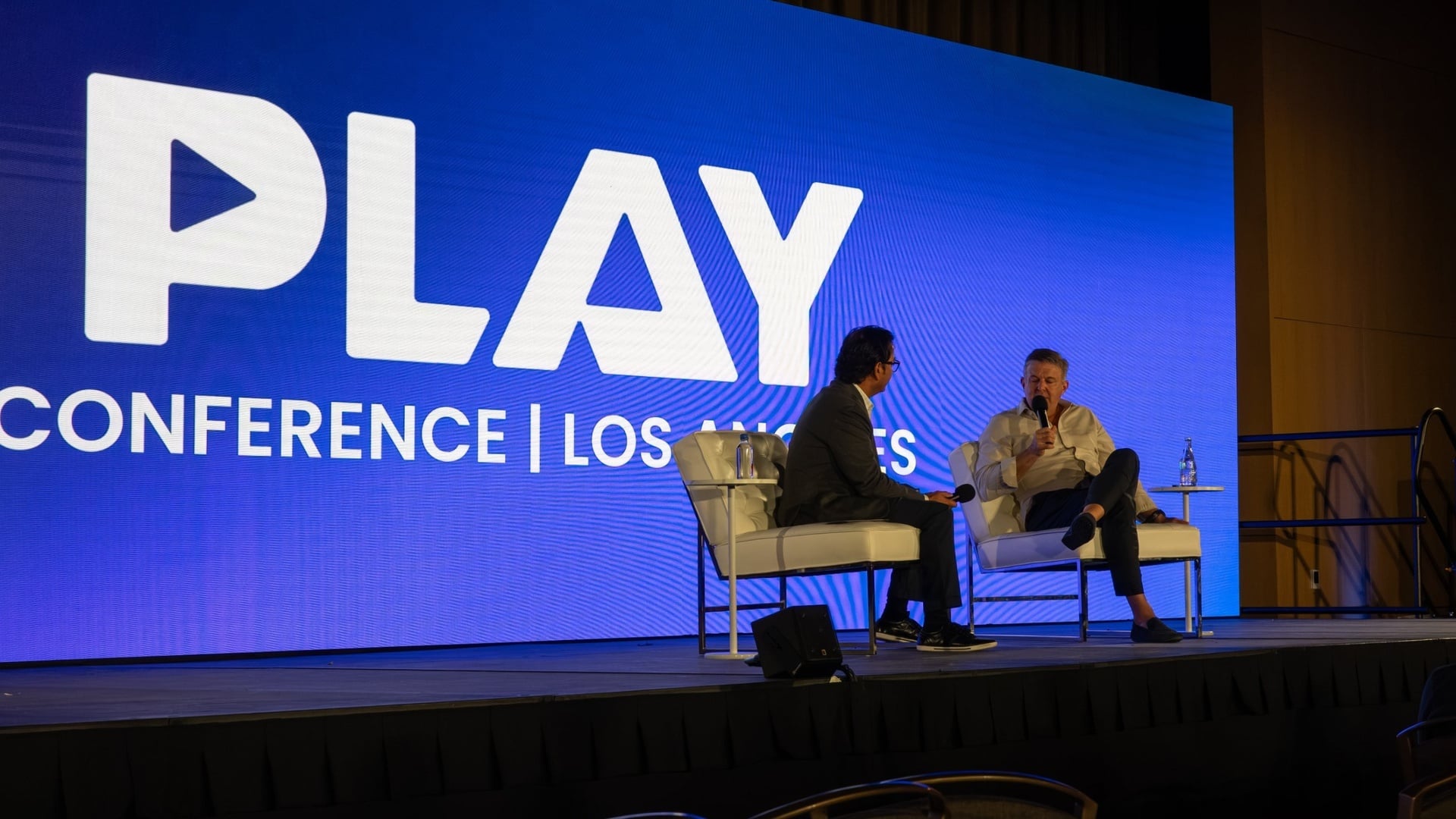
Sinclair Broadcast Group has been modernizing its broadcast operations since April 2023. At LA Play, Mike Kralec of Sinclair sat down with Dan Marshall, EVP, Global SaaS Sales, Amagi, to talk about what that effort has produced. This post pulls out four of the most useful exchanges.
Key takeaways
- 161 of Sinclair's 185 channels now run full playout in the cloud, with the same ingest, assembly, playout, and standard operating procedures.
- Mike says unification drives the reduction in total cost of ownership because effort isn't duplicated.
- Live news on FAST needs very little human involvement, because live events are already managed upstream for the linear broadcast.
- Mike put the savings at multiple tens of millions of dollars a year.
- He sees the single-vendor question as a risk conversation, and says the risk is much lower today.
What is a media operations fabric, and how did Sinclair build one?
Dan: The host asked Mike for background on the modernization Sinclair went through when it moved from on-premises to the cloud.
Mike: Sinclair now refers to its setup as a media operations fabric, but it didn’t set out to build one. It set out to build something based on shared principles across the organization: being cloud-based, flexible in terms of infrastructure, and software-defined. Those shared principles came down to common metadata, common processes, and shared workflows, which meant standardization across the organization. Sinclair wouldn’t compromise on metadata independence. It didn’t believe its data or media should ever be locked into anybody’s particular system.
The work started on the media side, with how to manage the media coming in across Sinclair. With 185 channels across the US, media was coming into every station and being processed in every station. Sinclair wanted to get away from that duplication of effort. It wasn’t a big bang. Sinclair did a controlled rollout: first deduplicate the ingest, then build assembly and playout on top of it, then a better distribution path, then a better set of media operations. The result was a slow, planned growth into a unified media ecosystem built on core principles set at the outset.
“We didn’t set out to build a media operations fabric.” — Mike
How did unifying media operations reduce total cost of ownership for Sinclair?
Mike: 161 of Sinclair's 185 channels are now in the cloud. All of them share the same media ingest, the same assembly and playout, and the same media operations team with the same standard operating procedures. Master control is spread across eight media operation centers, so its location no longer matters. All distribution runs out of AWS, back to the television stations and out to the FAST channels.
The key benefit is that Sinclair doesn't reinvent everything. It forks or extends its production line rather than building a new factory. That now includes news, both live linear newscasts and reporter-driven news, which flows through the same media ecosystem. In his view, this unification is what reduces total cost of ownership.
"We never build a new factory anymore." — Mike
How does Sinclair run live local news on FAST without rebuilding anything?
Dan: Sinclair runs 25 FAST channels today, and the news channels include a live component.
Mike: All the content is already in the cloud and in a MAM. Sinclair takes its live local news, live lifestyle shows and live national news, along with configurations that capture what has been recorded and the best fallback for content that needs to move within the schedule. It then reconfigures the news FAST channel schedule programmatically every day.
Live events are already managed upstream for the linear broadcast, so there is no extra piece for live.
"There is very little human involvement in any of these news FAST channels, even though there is live." — Mike
What did cloud modernization deliver for Sinclair?
Dan: Sinclair's CFO had talked about savings in the millions of dollars a year. The host asked where the biggest advantages and reductions came from.
Mike: The savings are multiple tens of millions of dollars a year. He named four sources:
- Visibility. Sinclair can see its architecture and AWS costs, and what operational issues cost the business. Discrepancy reports and sales data feed its data warehouses, so Mike can ask Sinclair's AI which operator cost the most money last week in the El Paso media operations center.
- Flexibility. Since moving to the Amagi platform on AWS, Sinclair has changed processor generations three or maybe four times.
- Scale. The 161 channels will reach 165 before the end of the week. Duplicating standardized processes across platform, people and process is what really drives TCO.
- Adaptability. This will be unlocked in the future. Sinclair's data isn't locked into any system, so it's available to its platforms and to AI, which Mike compares to extending the production line.
"It's multiple tens of millions of dollars a year in savings." — Mike
Is there a concern with a single vendor versus multi-vendor strategy?
Dan: Sinclair has Amagi handling both broadcast and FAST. The host asked whether that raises concerns.
Mike: The concern is lower than it has ever been. He explained this through metadata independence: in the past, information Sinclair's people added inside a vendor's platform often got stuck there, and that isn't happening as much anymore. He now sees "best of breed" versus "single vendor" as a risk conversation, and integration concerns are lower because of data accessibility and API availability. Niche cases remain where a single vendor won't do everything. For him, it comes down to how comfortable you are with the vendor, how aligned you are on core principles, and where you want to take your risk.
Dan: Amagi aims to be both a single vendor and best of breed. Providing every piece of the media supply chain is hard, so open APIs and the ability to integrate keep Amagi on its toes.
"The risk is much lower today on the single-vendor side than it has been." — Mike
What to do next
- Look at operations, not just technology. Mike said moving to the cloud alone didn't remove complexity. The operational changes did: standardized operations, shared processes, shared people and platforms.
- Keep your data and metadata independent. Sinclair wouldn't compromise on this, and it keeps data available to its platforms and to AI.
- Frame vendor choice as a risk decision. Consider your comfort with the vendor, your alignment on core principles, and where you want to take your risk.
Watch the full conversation.


 German
 French
 Spanish
 Korean
 Japanese
 Portuguese